The green economy is rapidly growing as sustainable business is proving to be as profitable as traditional business. Here are some up to date figures on the size and growth of the green economy.
Organic Food Organic food is produced by farmers who emphasize the use of renewable resources and the conservation of soil and water to enhance environmental quality for future generations. [source: USDA] In 2005, retail sales of organic foods are expected to exceed $15 billion ? with more than $32 billion projected by 2009. While the conventional food industry still dwarfs the organic sector with $550 billion in yearly sales, it is producing an unappetizing 2 to 3 percent annual growth rate, while the organic industry has savored several years of 17 to 20 percent growth. [source: MSN]
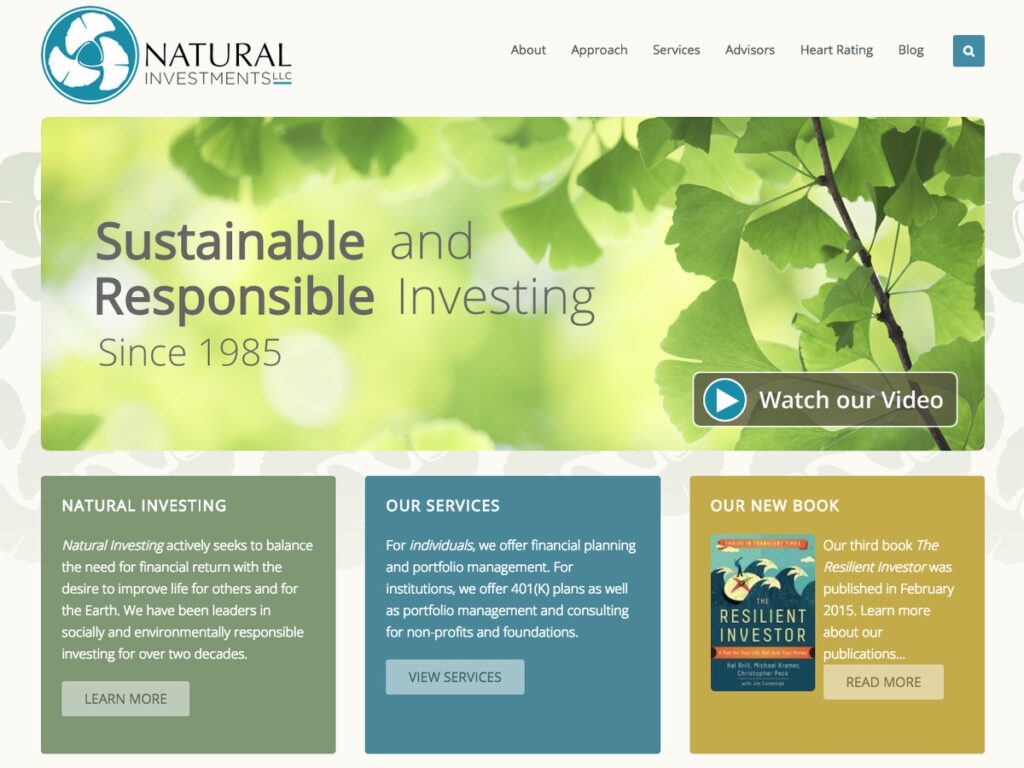
Wind Power Wind energy is a clean and renewable source of electric power, is also the world's fastest growing energy source! Wind power has seen an impressive 28.5% growth rate over the last 5 years ? that is more than a doubling of wind power capacity every three years. [source: Wind Power Monthly] The wind power industry will break the $2 billion mark for the first time in 2005, according to a study just released by Emerging Energy Research (EER), a Cambridge-based research and advisory firm. [source: GreenBiz.com] Hybrid Cars Hybrid cars use a combination of gas and electric engines to produce highly efficient vehicles with very low emissions. By 2006, sales of hybrid vehicles will account for 10 percent of the 2 million midsize vehicles sold annually in the United States (ABI Research). By 2010, 5 - 6% of all cars sold in America will be hybrids, assuming current petrol prices persist (ABI Research & Automotive Technology Research Group). [source: HybridCars.com] Green Building Green building is construction that emphasizes energy efficiency, resource conservation, indoor air quality, and the use of environmentally sensitive materials and techniques. The annual market for green building in products and services is $5.8 billion, representing 34% growth over the prior year (based on 2003 figures). [source: USGBC] Socially Responsible Investing Integrating personal values and societal concerns with investment decisions is called Socially Responsible Investing (SRI). SRI considers both the investor's financial needs and an investment?s impact on society. With SRI, you can put your money to work to build a better tomorrow while earning competitive returns today. The SRI industry now totals some $2 trillion in assets under management, accounting for nearly $1 in every $9 invested in U.S. markets, according to the Social Investment Forum. [source: Socialinvest.org] |