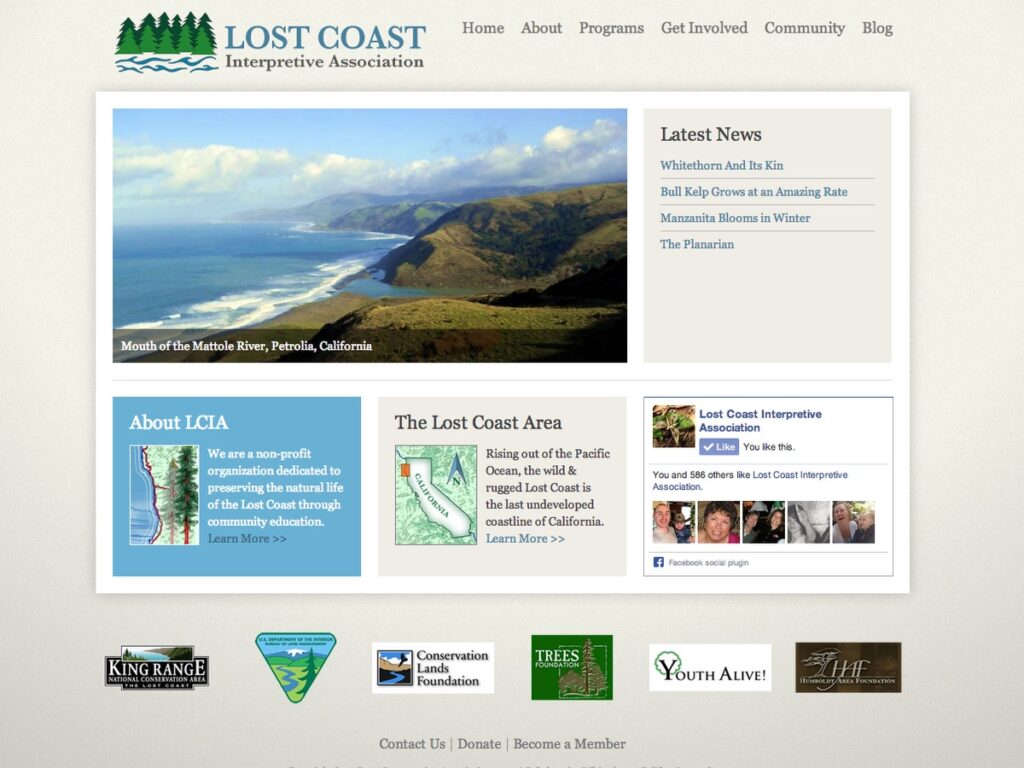
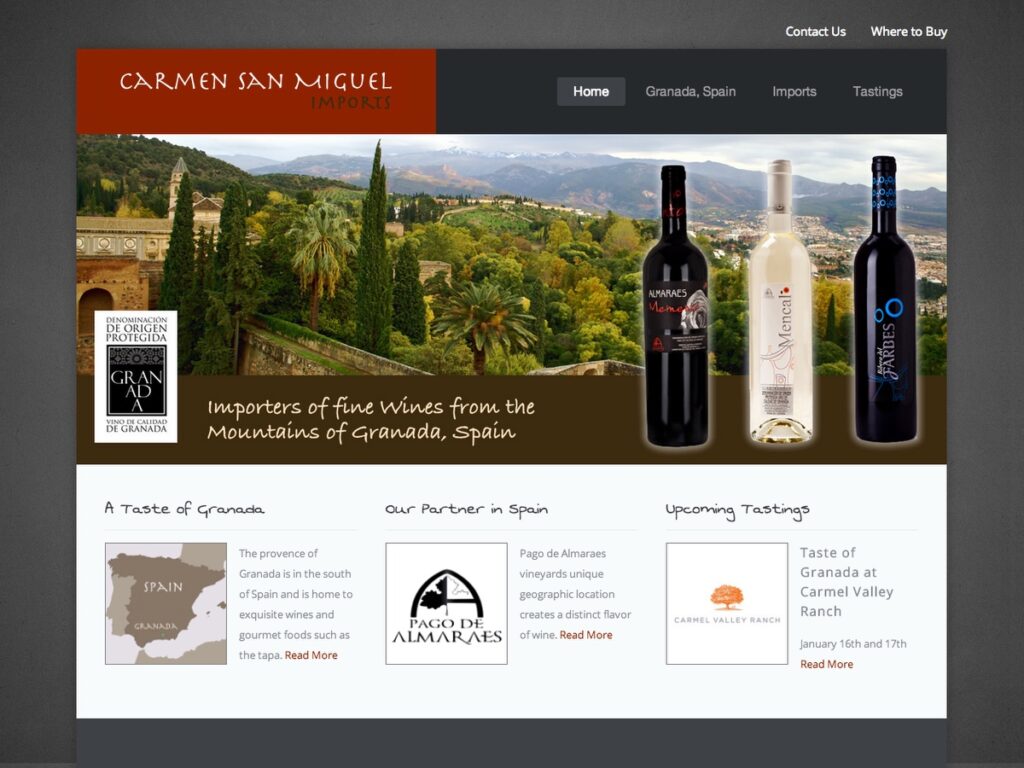
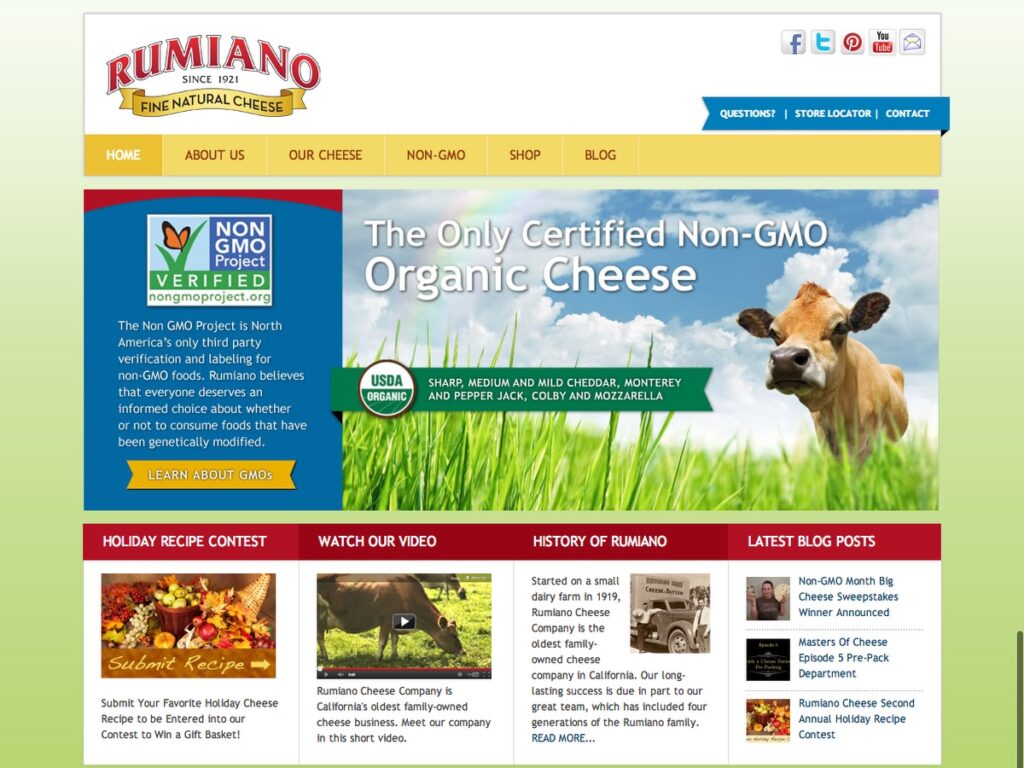
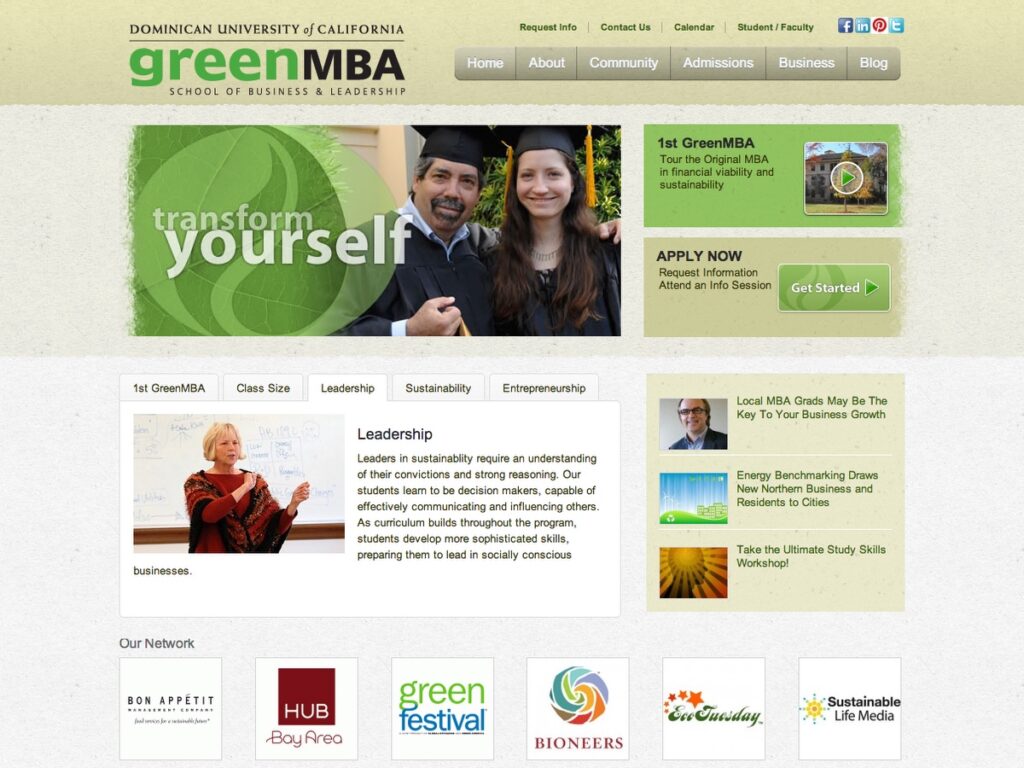
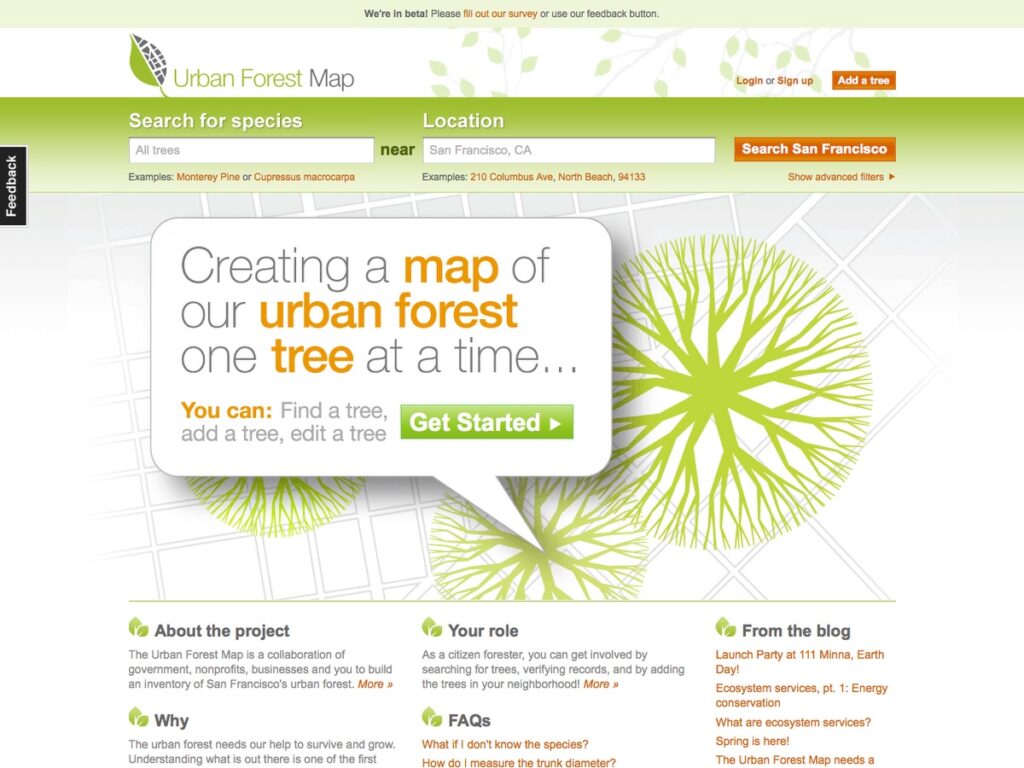
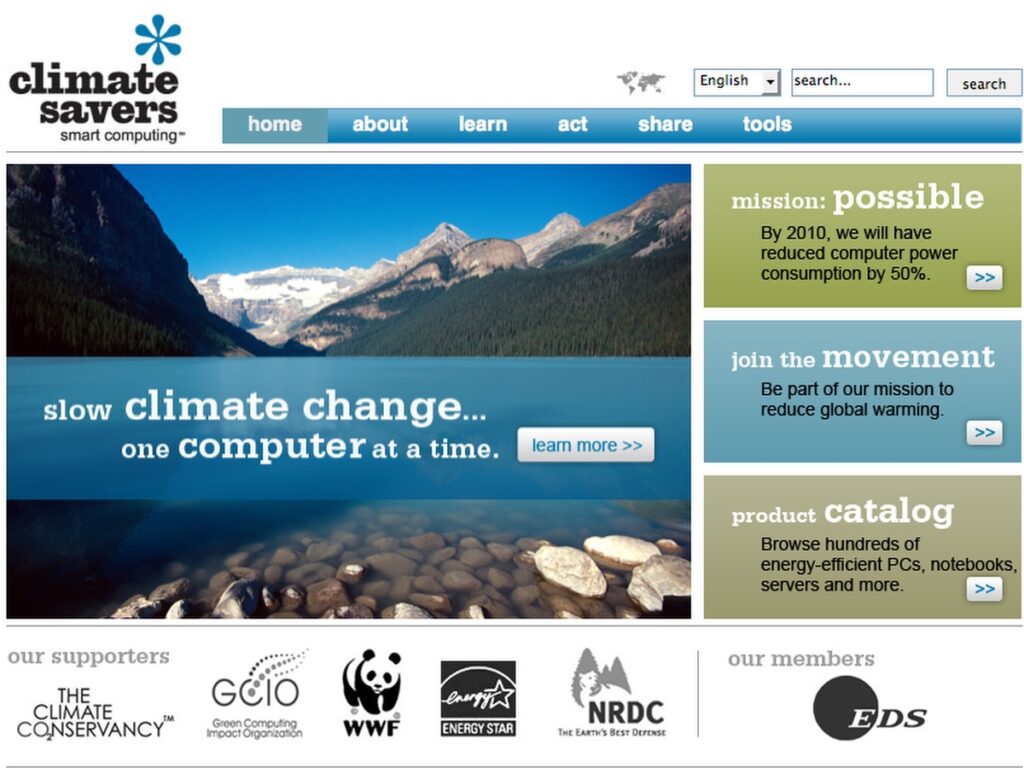
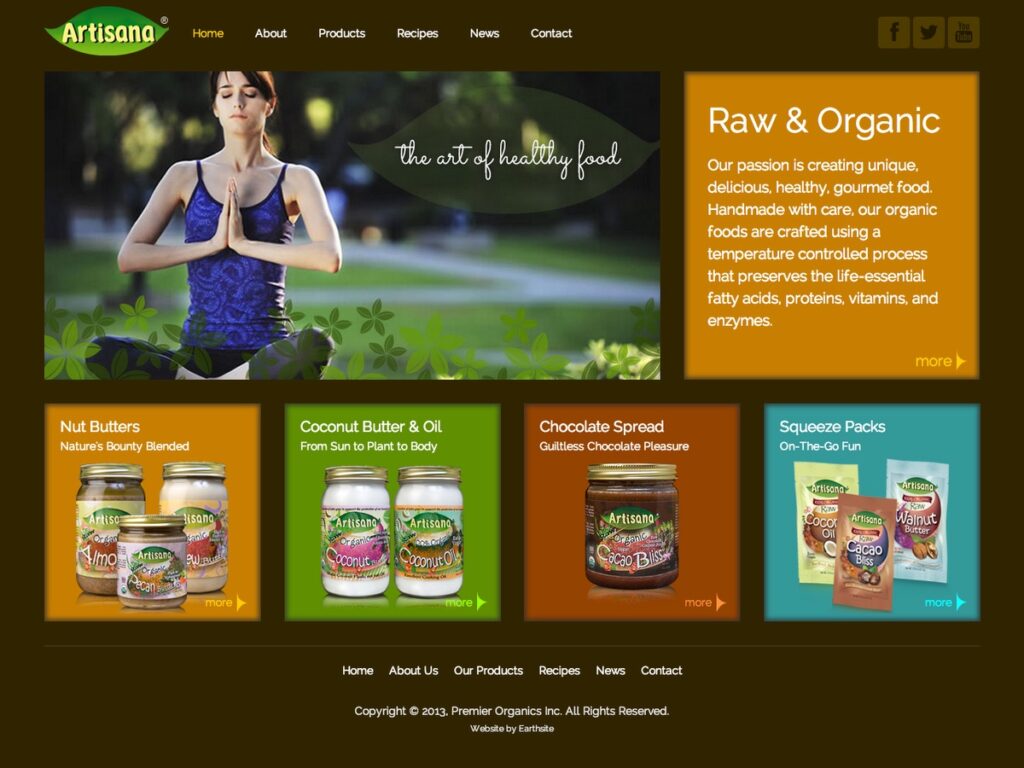
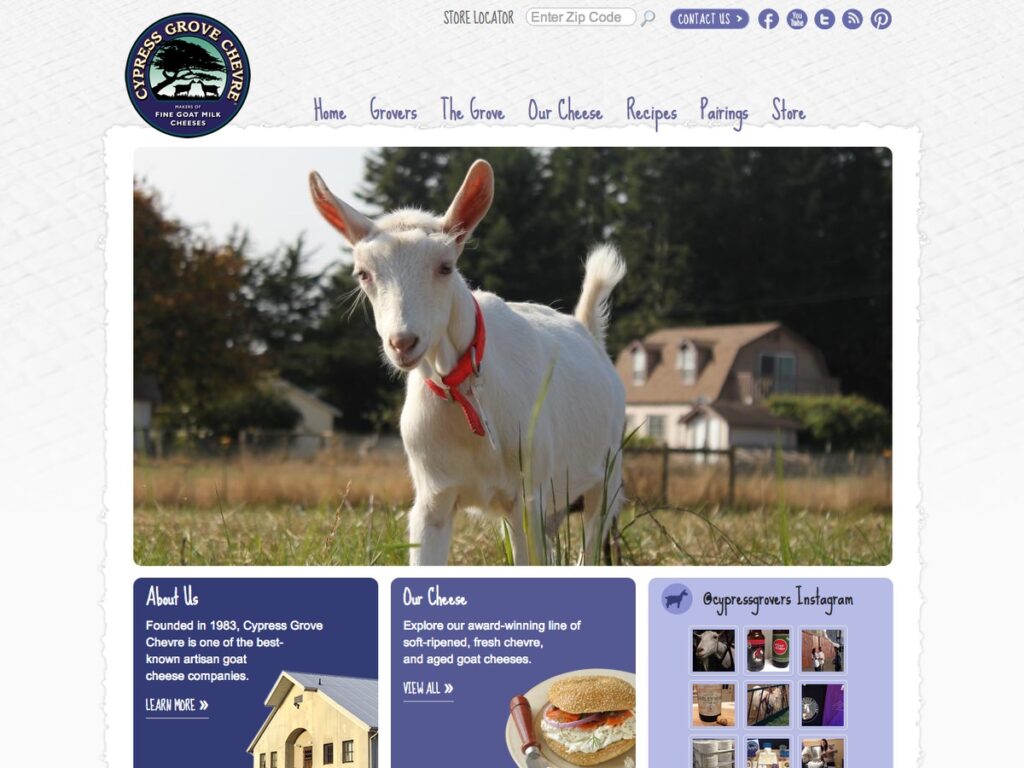
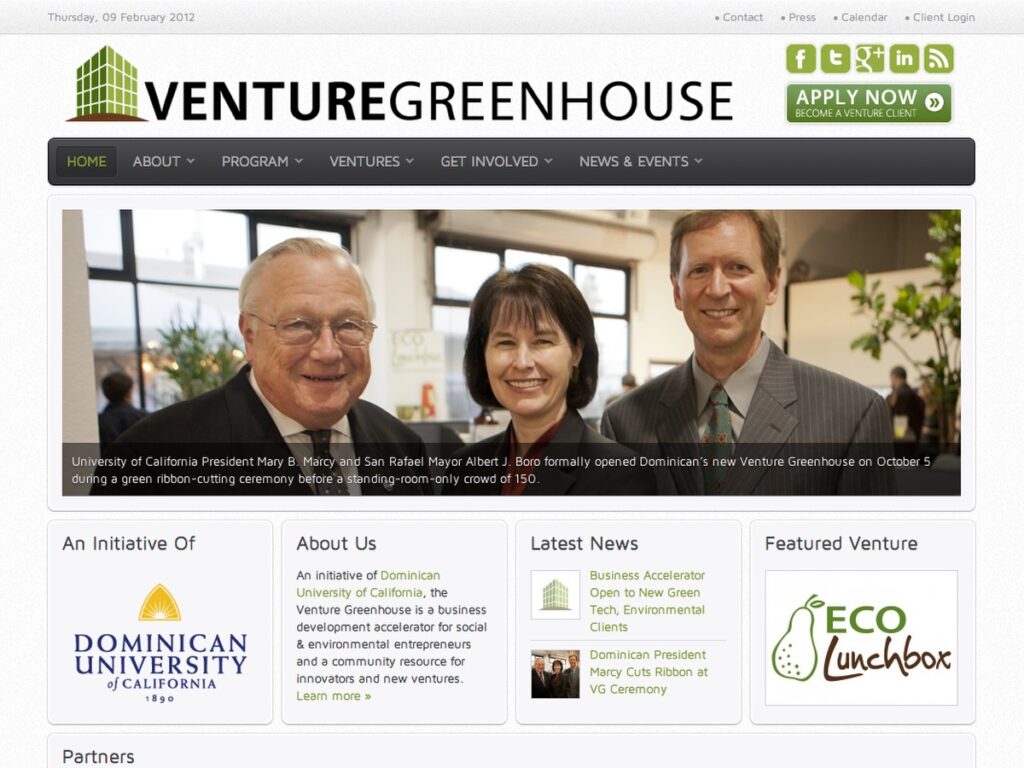
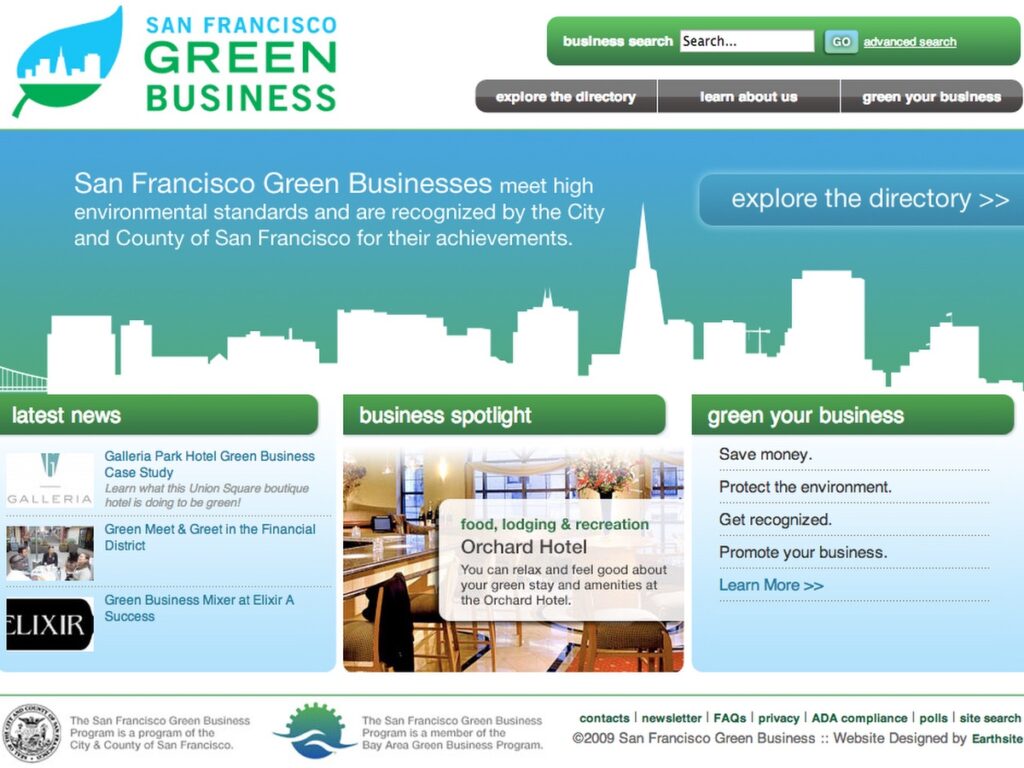
Earthsite is excited to announce the launch our latest project, the Urban Forest Map. Our role was Branding and Social Media Marketing. We worked along side a great team of developers, ecologists and founder, Amber Bieg.
We invite you to celebrate the launch of San Francisco’s new Urban Forest Map with us on Earth Day, April 22 from 6-9 pm at 111 Minna in San Francisco.
The Urban Forest Map will allow anyone with a web browser, whether on a mobile device, laptop or desktop computer, can add information about specific trees in San Francisco to the Urban Forest Map, such as their location, species, size, and health.
San Francisco is the first city to use the Urban Forest Map; others are expected to follow. “Million Tree” campaigns are taking-off around the nation, and this tool enables the on-the-ground community information sharing vital to the success of such campaigns.
The Urban Forest Map is a project of the California Department of Forestry and Fire Protection (Cal Fire), in cooperation with Friends of the Urban Forest (FUF) and the City of San Francisco.
“The City of San Francisco is dedicated to being one of the greenest cities on the planet. This Urban Forest Map is an exciting opportunity for our community to create an online forum to become more actively involved in the greening of the city. Not only will this technology make the city’s maintenance procedures easier to perform, but our citizens now have a place where they can come together to make a difference to the urban landscape.”
--San Francisco Mayor Gavin Newsom
The project team will demonstrate the Urban Forest Map for the media on Wednesday, April 21 at 10:00 a.m. in Redwood Park at the base of the Transamerica Building, 600 Montgomery Street in San Francisco. To underscore the user-friendly nature of the Urban Forest Map, it will be demonstrated by Benton Liang, a 5th grader at John Yehall Chin Elementary School, using a laptop computer.
Benefits of the Urban Forest Map:
• The data can then be used by urban foresters and city planners to better manage trees in specific areas, track and combat tree pests and disease, and plan future tree plantings.
• A fully open-source project—the source code, html/css, and data are freely available for download. Non-profit groups can accurately calculate the environmental and financial benefits of trees to advocate for the urban forest.
• Provides volunteer stewards and tree aficionados with information that empowers them to better care for the trees in their neighborhoods.
• Help foster greater community involvement and awareness of the urban forest.
• Students can use it to learn about the role trees play in the urban ecosystem.
• Climatologists can use it to better understand the effects of urban forests on climates.
• Technologists can “layer” the tree data with other kinds of geographic data to illuminate or reveal aspects of an area or region that might otherwise be overlooked.